
Anxiety in Children: Early Signs Parents Often Miss and How to Respond
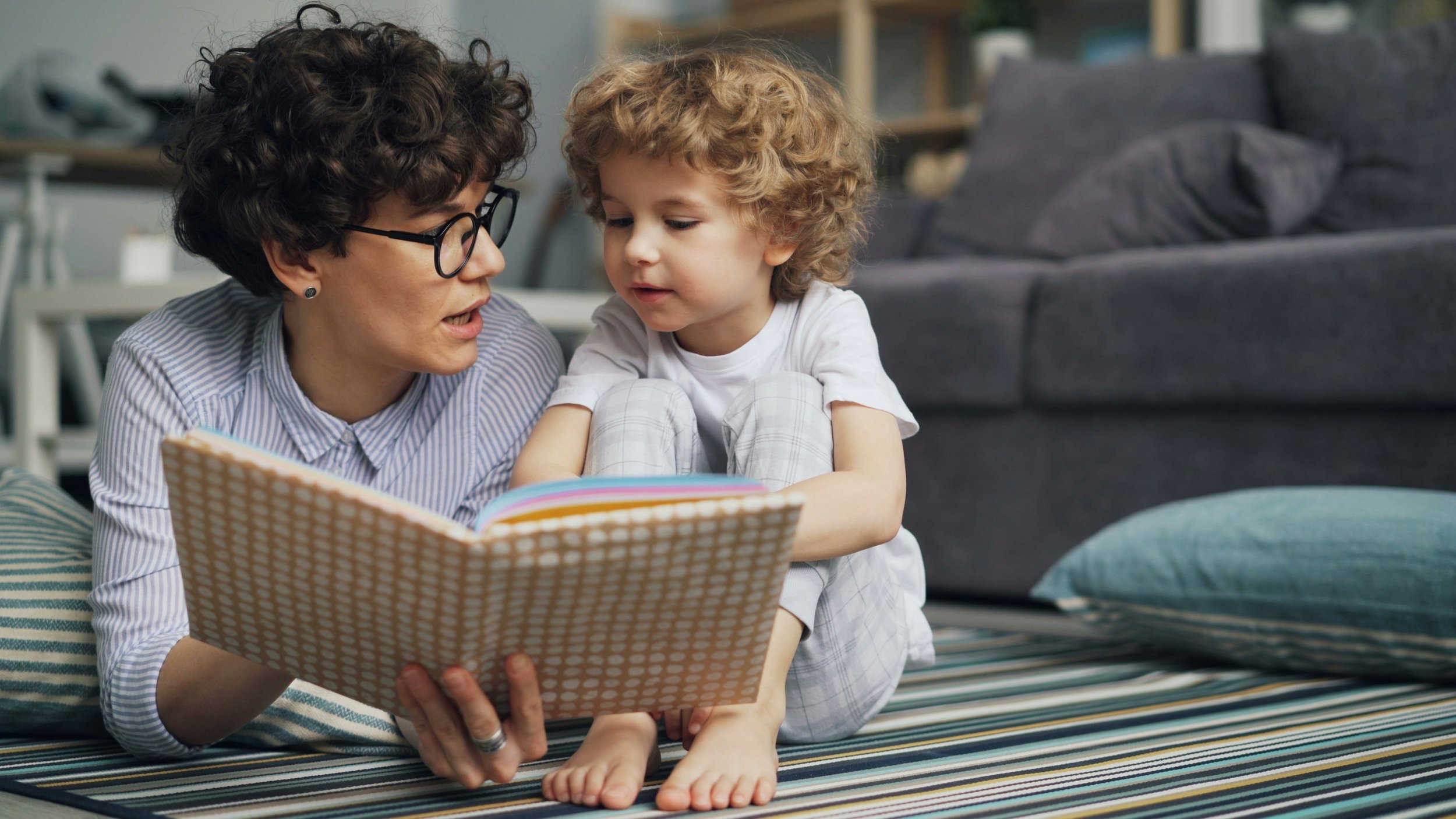
Children can experience anxiety in many different ways, and it doesn’t always look like worry. Recognising early signs allows parents to provide support before anxiety escalates, helping children build resilience and confidence. Understanding how anxiety can present in primary-school children and knowing effective strategies can make a significant difference in their emotional wellbeing.
How Childhood Anxiety Often Appears
Anxiety in children can show up in subtle or unexpected ways, such as:
Avoidance of certain activities or social situations
School refusal
Frequent complaints of physical discomfort (stomach-aches, headaches)
Difficulty concentrating or completing tasks
Irritability or sudden mood changes
Perfectionism or excessive reassurance-seeking
Not all children express anxiety verbally, so observing behaviour patterns is key to early support.
Common Triggers of Childhood Anxiety
Changes in routine, such as starting school or returning after holidays
Academic pressures or new challenges at school
Family stress or changes at home
Social challenges, including making friends or peer conflict
Identifying these triggers helps parents anticipate situations where support may be needed and respond proactively.
Practical Strategies for Parents
Create predictable routines: Structure and consistency help children feel secure
Encourage open conversation: Invite children to share feelings in a non-judgmental space
Model calm regulation: Children learn coping strategies by observing adults
Use gradual exposure: Support children in facing fears in small, manageable steps
Positive reinforcement: Celebrate effort and resilience, not just outcomes
When to Seek Professional Support
Consider contacting a child psychologist if:
Anxiety persists for several weeks or interferes with school, social, or home life
Physical complaints or emotional distress are ongoing
Behavioural changes are significant or worsening
Early intervention supports healthy coping, emotional growth, and long-term wellbeing.
Recognising and responding to early signs of anxiety in children ensures they receive the support they need to thrive. By providing calm guidance, structured routines, and professional support when needed, parents can help children navigate anxiety confidently.
If you’re concerned about your child’s anxiety, contact Evolve Wellbeing Psychology to book child psychology support and access early intervention strategies.

Evolve Wellbeing Psychology is a Social Mum’s Club Sponsor
