

Early Intervention After a Workplace Injury: Why Getting Support Early Matters
One of the challenges with psychological wellbeing is that difficulties are not always immediately visible.
Friends, family members, and colleagues may see someone recovering physically and assume everything is improving.
Yet internally, that person may still be carrying…

Is your business ready for an Employee Assistance Program?
A business may benefit from an Employee Assistance Program if there are increasing signs of workplace stress such as absenteeism, burnout, staff turnover, or conflict. An EAP provides confidential psychological support to employees, helping reduce stress-related issues and improve workplace wellbeing and performance.

Autism Assessments in Brisbane and Cleveland: Understanding the Assessment Process for Children and Adults
Observations may also contribute valuable information regarding how an individual interacts, communicates, and responds during assessment activities.
The purpose is not to judge or evaluate performance.
Instead, clinicians are seeking to develop a comprehensive understanding of an individual's experiences and presentation.

Referring Clients for WorkCover and CTP Psychological Support in Queensland: What Referrers Need to Know
At Evolve Wellbeing Psychology, we work collaboratively with referral partners across Queensland to provide evidence-based psychological support for individuals accessing services through WorkCover Queensland, self-insurers, and Compulsory Third Party (CTP) claims.

Short-term therapy, long-term impact in EAP counselling
Short-term therapy doesn’t mean shallow support.
It means focused support with a clear purpose: stabilise, understand, and shift what is immediately impacting functioning.
At Evolve Wellbeing Psychology (serving Brisbane, Cleveland, Ipswich and Redlands Coast), EAP counselling is designed around structured, evidence-based interventions that are intentionally brief but highly targeted.

Adult ADHD Assessments in Brisbane: What the Assessment Process Actually Looks Like
ADHD and Emotional Wellbeing
ADHD is often discussed in terms of attention and organisation, but many adults are surprised to learn how strongly it can influence emotional wellbeing.
Some individuals report experiencing….

Understanding the M10 Medicare Pathway: A Guide for GPs Supporting Young People Through Psychological Assessment
The M10 pathway psychology pathway provides Medicare rebates for eligible young people under 25 years of age accessing psychology assessment and treatment services related to Complex Neurodevelopmental Disorders or eligible disabilities.
For GPs supporting children, teenagers and young adults, understanding how this pathway works can help create a smoother referral experience and support collaborative care.

What is an Employee Assistance Program (and why it matters)
According to Safe Work Australia, psychological injuries are one of the fastest growing categories of workplace compensation claims. Early intervention changes that trajectory significantly.

Understanding the M10 Medicare Pathway: A Guide to Psychology Assessments and Support for Young People
Following assessment and diagnosis where applicable, eligible young people may also access Medicare-rebated psychology treatment services under the M10 pathway when appropriate referral and treatment planning requirements are met.
Treatment may support areas such as:

Understanding WorkCover Queensland Psychological Injury Claims: A Practical Guide to Recovery, Support and Early Intervention
Whether you've experienced a physical injury, a traumatic workplace incident, bullying, harassment, workplace conflict, or increasing psychological stress over time, it's common to feel overwhelmed, uncertain, and unsure of what comes next.

Antenatal Anxiety During Pregnancy: Understanding the Signs and Finding Support
While some level of worry is completely understandable during major life changes, antenatal anxiety generally involves persistent fear, stress, or anxious thoughts that begin affecting emotional wellbeing or daily functioning.

Why Psychological Safety Matters at Work in 2026
Psychological safety is essential for healthy workplaces in 2026. Discover how supportive communication, trust, and emotionally safe workplace cultures improve employee wellbeing, collaboration, resilience, and productivity across Australian workplaces.

Why More Adults Are Seeking Neurodivergence Assessments — And What They Discover
For many, this decision is not sudden. Instead, it reflects years—often decades—of quietly feeling that their brain works differently from others.

Toddler Bedtime Struggles: Gentle Routines That Actually Help
When evenings repeatedly become stressful, parents often begin bedtime already feeling tense or overwhelmed. Children are highly responsive to emotional energy and routine patterns, which can unintentionally make bedtime feel even more emotionally charged for everyone involved.
This cycle is incredibly common.

Workplace Mental Health in 2026: What Employers Need to Know After Recent Compensation Changes
Learn what employers need to know about workplace mental health in 2026, including proactive strategies to protect employees and boost organisational wellbeing.

Anxiety in Children: Early Signs Parents Often Miss and How to Respond
Learn the early signs of childhood anxiety that parents often miss and discover practical strategies to support children’s emotional wellbeing.

Telehealth Psychology: A Practical Guide to Effective Online Therapy in 2026
Discover how telehealth psychology works and how online therapy can be just as effective as in-person sessions for accessible mental health support.
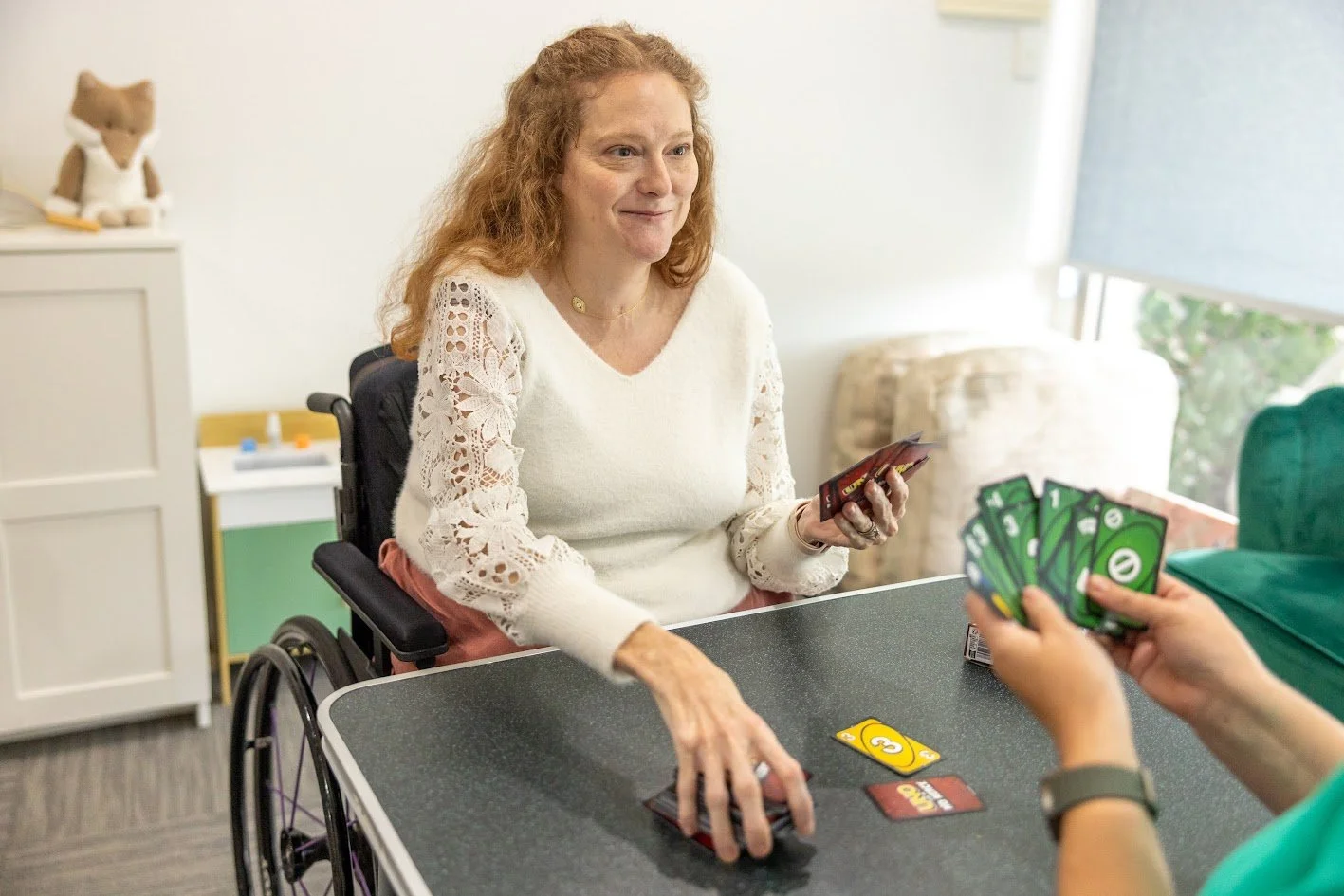
Neurodiversity Celebration Week 2026: Understanding, Valuing & Supporting Different Minds
Neurodiversity Celebration Week is a great moment to spark conversation — but celebrating different minds doesn’t have to stop on a single day or week. Together, families, schools, workplaces and clinicians can build understanding, remove barriers and create cultures where people of all neurological profiles are seen, respected and supported.

Endometriosis and Mental Health: Understanding the Emotional Impact and Finding Support
Better outcomes happen when physical and mental health are supported together — and when people feel believed, heard and respected…
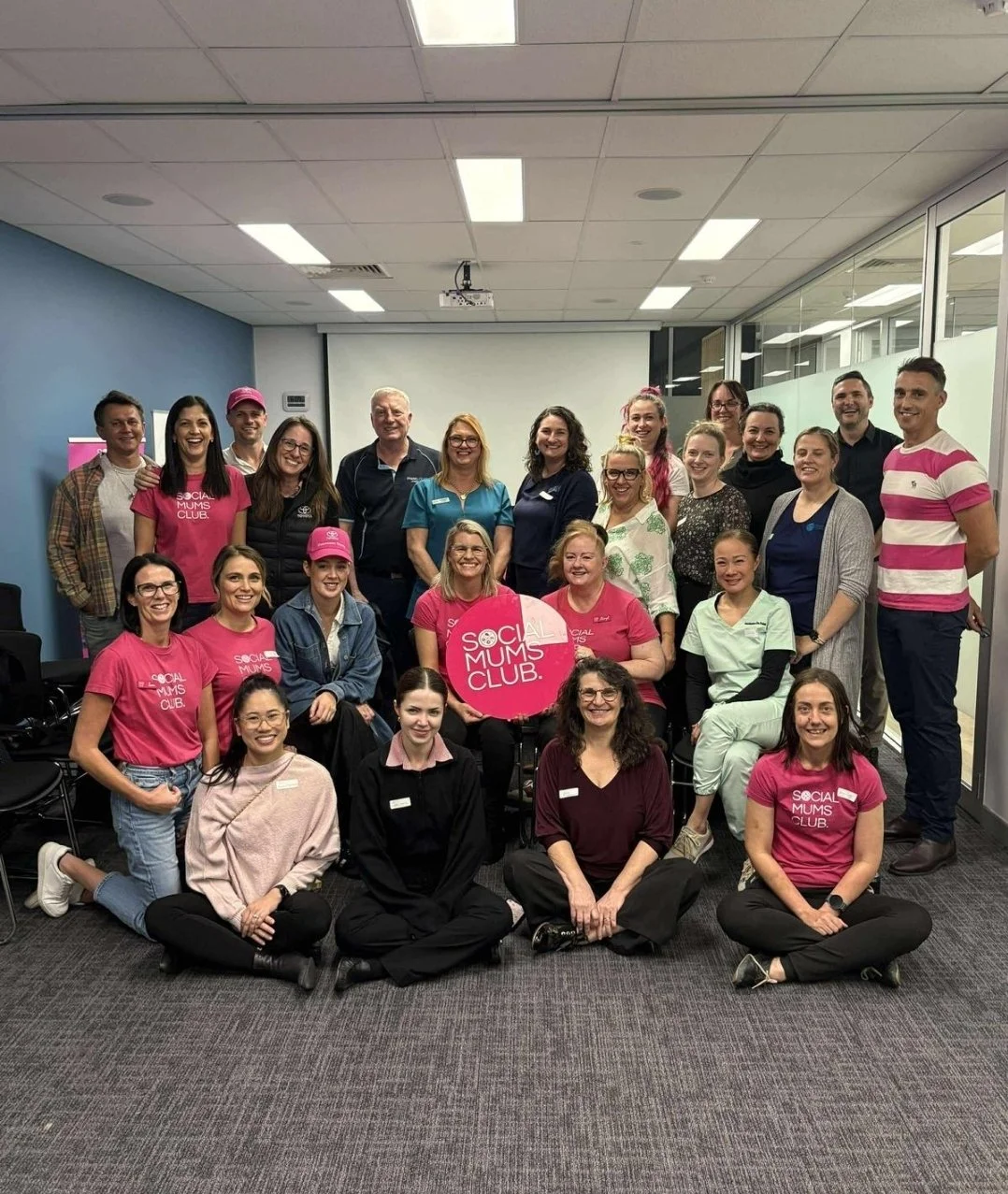
Women’s Mental Health in 2026: Supporting Wellbeing Across Every Stage of Life
Women’s mental health in Australia matters at every life stage. Learn how psychological support helps women manage stress, burnout and life transitions.
Disclaimer: The content on this website is for informational purposes only and is not a substitute for professional psychological advice, diagnosis, or treatment. Always seek the guidance of a qualified mental health professional with any questions you may have regarding your condition. You can contact us today on (07) 3864 4944 or admin@evolvewellbeing.com.au to arrange a confidential discussion with a mental health professional.